
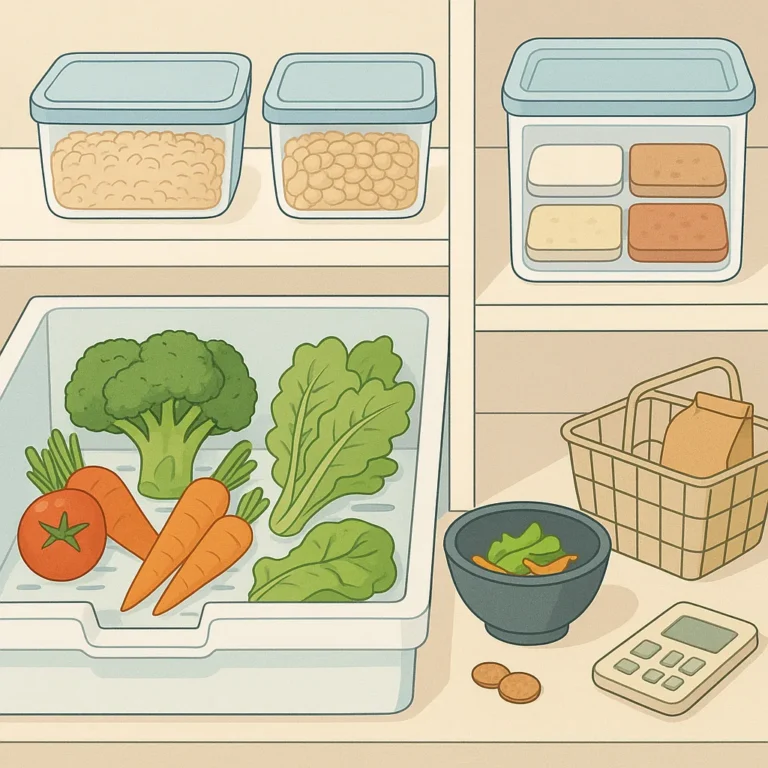
Grocery costs reflect household size, dietary needs, work schedules, store prices, and how efficiently food gets used. A useful plan recognizes that real weeks change, so it avoids rigid menus and extreme restriction. Instead, it creates clear decisions that protect money while keeping meals practical, satisfying, and flexible.
This approach begins with what is already in the kitchen, then connects planned meals to a realistic spending range. You will learn how to compare prices, build an adaptable list, store food wisely, use leftovers, and review results without treating one imperfect shopping trip as failure.
Start With What You Already Have
Before writing a menu, scan the refrigerator, freezer, and pantry. Group ingredients by type, note open packages, and identify foods that need attention soon. This short inventory prevents duplicate purchases and reveals building blocks for meals, such as rice, beans, vegetables, eggs, sauces, or cooked grains.
Give priority to items with a short useful life, but do not assume every older item must be discarded immediately. Check condition, storage guidance, and your household’s comfort. Move urgent ingredients into a visible area, then record staples you have enough of so they do not quietly return to the cart.
Set a Realistic Meal Framework
Choose a small set of meal templates instead of planning every detail from scratch. For example, pair a protein or bean with a filling starch and two vegetables, or rotate soups, bowls, sandwiches, and simple tray meals. Templates reduce decisions while allowing ingredients and flavors to change.
Estimate how many breakfasts, lunches, dinners, and snacks the household actually needs. Include workdays, school events, travel, takeout, and nights when cooking energy will be low. Planning fewer portions than reality creates emergency purchases and unnecessary expense, while planning too many increases leftovers and spoilage.
Use Unit Pricing
Compare similar products by unit cost rather than relying on package size or a bold sale label. Check the price per ounce, pound, liter, or individual item, then consider quality and usable amount. A cheaper package is not a bargain if much of it will remain unused.
Larger packages can help when an item keeps well and your household uses it regularly. Before choosing them, ask whether storage is available, whether the price difference is meaningful, and whether dividing or freezing the product is realistic. Compare the final cost with the amount you can actually use.
Adapt to Seasonal and Store Options
Prices and availability can change between planning and shopping, so prepare substitutions before leaving home. If fresh peppers become costly, use frozen vegetables or another crunchy ingredient. If a preferred fish is unavailable, choose beans, eggs, or a different protein that fits the same meal structure.
Consider fresh, frozen, canned, and shelf stable choices according to the job they must do. Frozen spinach may suit a cooked dish better than delicate fresh leaves, while canned tomatoes can provide reliable flavor. Judge convenience by usefulness, nutrition, storage life, and price rather than by appearance alone.
Build a Shopping List That Works
Turn the plan into a list organized by store area, meal, or both. Write quantities beside each item and mark what is essential, flexible, or optional. This structure makes substitutions easier because you can see the purpose of an ingredient instead of treating every brand or variety as mandatory.
Check the kitchen again before shopping, especially for items bought in bulk or stored out of sight. Set a spending range based on available money and expected needs, then leave a modest amount for a price change or useful discovery. A range offers control without demanding perfect prediction.
Reduce Waste Without Chasing Perfection
Store groceries in ways that make them easy to notice and use. Keep delicate produce where it will not be crushed, seal dry goods against moisture, and freeze suitable portions before they become urgent. Clear containers, labels, and a consistent shelf arrangement can turn forgotten food into visible choices.
Make leftovers part of the plan rather than an accidental obligation. Cook an amount the household can finish, label containers with dates, and reserve one meal for using small portions together. If something is unlikely to be eaten soon, freeze it promptly and record it where you will remember.
Handle Promotions With Care
Treat promotions as information, not instructions to spend. Compare the discounted price with store brands, nearby alternatives, and the cost of a smaller quantity. A deal supports the budget only when the product serves a planned purpose, fits available cash, and can be used before quality declines.
Be especially careful with perishables, multipacks, and rewards that encourage extra buying. Calculate how much will be used during the relevant period, and ask whether the promotion would still look attractive without a coupon. Loyalty savings are useful only when they support normal purchases rather than create new ones.
Review the Plan After Each Cycle
After the shopping cycle, compare the plan with what happened. Note total spending, unplanned items, unused ingredients, successful meals, and moments when the household needed convenience. Look for patterns rather than blame: a costly week may reflect visitors, illness, schedule changes, or a temporary price increase.
Keep the meals, substitutions, and storage habits that made the week easier, then change one weak point at a time. You might revise quantities, move a staple, or schedule a leftover night earlier. A short review builds a system that becomes more accurate through use, not through perfection.