
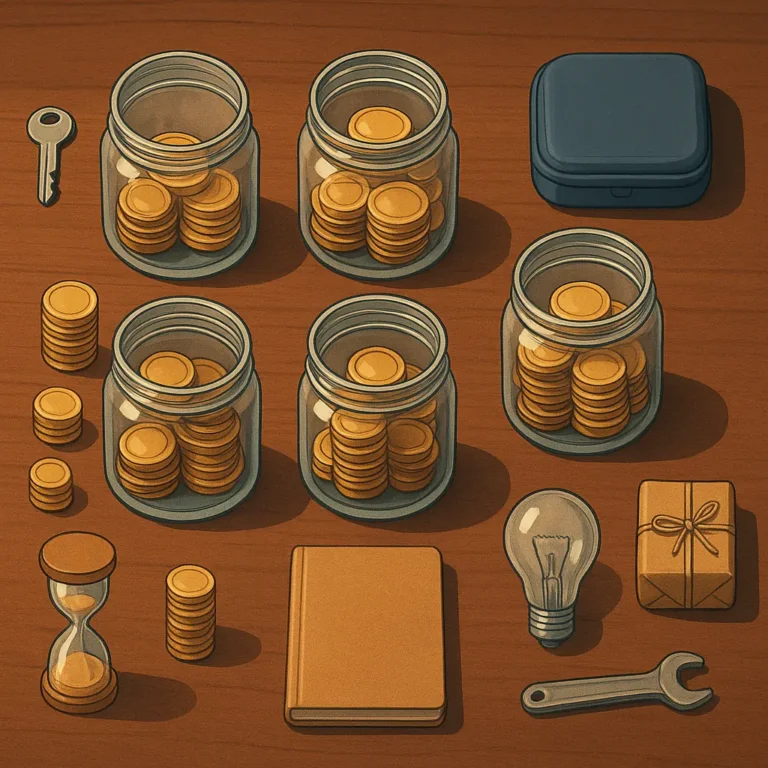
Annual insurance bills, school costs, repairs, holidays, and equipment replacement can feel like emergencies when they are absent from a monthly plan. Sinking funds change that experience by dividing predictable expenses into smaller contributions. Instead of reacting to bills, prepare gradually, protect cash flow, and give obligations a place.
This system begins with an inventory of obligations, then turns estimates into monthly amounts. You can use accounts, labeled spaces, or a tracking sheet, depending on your needs. Regular reviews keep targets practical when prices, dates, income, or family priorities change, without confusing planned spending with true emergencies.
Identify Predictable Costs
Start by reviewing last year’s bank statements, not merely your memory. Mark payments that appeared once or a few times but were still expected, such as insurance, registration, tuition, gifts, travel, or seasonal maintenance. Note the amount, usual month, and next due date so each recurring obligation becomes visible.
Separate predictable costs from emergencies. A water heater that fails without warning belongs in an emergency reserve, while a service visit belongs in a sinking fund. Include home upkeep, vehicle registration, medical deductibles you can anticipate, school activities, holiday spending, subscriptions, and renewals when they follow a pattern.
Convert Annual Costs Into Monthly Amounts
For each expense, use a realistic current estimate rather than a guess. Divide the amount by the number of months before payment is due, check whether the result fits your income. If a bill arrives in four months, do not divide it across twelve; begin with the time available.
Add a buffer when prices or quantities may change, especially for repairs, travel, and household projects. Round the contribution to an amount that is easy to automate, but record the calculation. A slightly higher deposit can prevent a shortfall, while an honest estimate keeps the plan useful over time.
Account for True Expenses
Include expenses that lack a monthly transaction. Review old statements for licenses, appliance replacement, charitable giving, school supplies, annual memberships, and care for pets or relatives. If a cost appeared before and could appear again, give it a provisional target until new information improves the estimate for next year.
Handle Different Timing Cycles
Timing matters as much as total amount. A property tax bill due soon may need larger contributions, while a holiday fund can build over many months. Rank obligations by their next due dates, protect the nearest payments first, and distribute remaining capacity toward later goals without abandoning them.
Choose a Simple Bucket Structure
Choose a structure that makes balances understandable without creating extra work. You might use savings accounts, labeled spaces within an account, or a spreadsheet that tracks deposits and withdrawals. Match the method to your goals and comfort with detail; the best structure is one you will maintain consistently.
Keep money accessible when the bill arrives, while separating it from everyday spending. Labels should describe the purpose and expected date, not imply guaranteed returns. If several funds share one account, maintain a ledger or digital note so a healthy total balance does not hide an individual shortfall.
Automate Contributions Around Payday
Schedule transfers soon after each payday, when the income that supports them has arrived. Automation reduces forgotten deposits and turns a decision into a routine, but it should remain visible in your budget. Check transfers whenever your pay changes, a bill is paid, or an obligation appears.
If income is tight, reduce contributions rather than abandoning the system. Prioritize the closest due dates, communicate with household members, and restore deposits when circumstances improve. A smaller consistent contribution still builds awareness and progress; the goal is a workable rhythm, not a perfect schedule that collapses.
Use Each Fund for Its Intended Purpose
Use a sinking fund when its expense becomes due, and record the withdrawal. That habit preserves a balance and shows whether the estimate was sufficient. Do not treat savings balances as available for purchase; keeping emergency reserves separate prevents a planned repair from consuming money for an unknown crisis.
After paying a bill, compare the amount with the saved target and note the difference. Unused money can remain for the next cycle, cover a price increase, or return to a broader goal after review. Clear records prevent accidental double saving and make monthly contributions easier to set.
Reset the Plan After Each Cycle
At the end of a cycle, compare estimates with bills and examine remaining balances. Prices may have risen, a service may have changed, or an overlooked obligation may have surfaced. Use findings to revise targets before the next cycle begins, rather than carrying an outdated contribution forward.
Remove categories that no longer apply, add discovered obligations, and adjust timing when your calendar changes. Then verify that transfers match the plan and still leave room for ordinary bills. With this review repeated regularly, predictable costs become planned decisions instead of disruptive surprises in your cash flow.