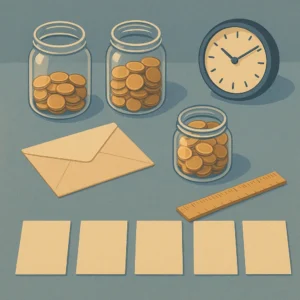
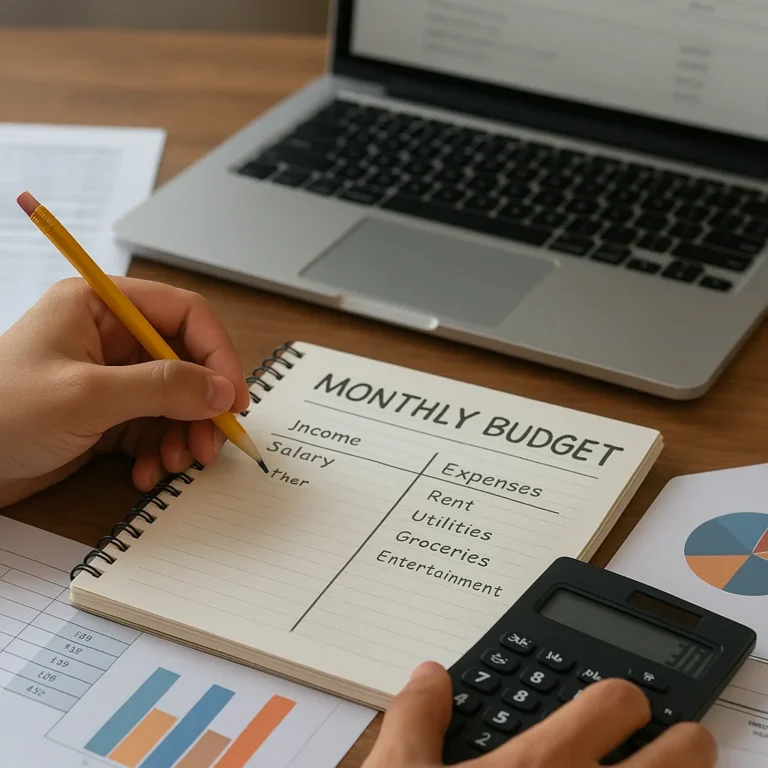
A workable monthly budget is not a punishment or a prediction of perfect behavior. It is a simple plan for giving each dollar a job while leaving room for ordinary surprises. The key is to build it from your real spending, not from an ideal version of your life. By separating fixed bills, flexible choices, irregular costs, and savings goals, you can see what is affordable before the month gets busy. This guide shows how to gather honest numbers, set useful limits, and review the plan without starting over every time something changes. A budget that bends when needed is far more valuable than one that looks perfect on paper.
Start with a Month of Evidence
Before choosing categories or limits, review the last 30 to 60 days of bank statements, card activity, receipts, and cash withdrawals. Record the actual amount and the date, then group each purchase into clear buckets such as housing, groceries, transportation, subscriptions, debt payments, and personal spending. Do not label every irregular purchase as an emergency; note whether it was planned, seasonal, or avoidable. This review reveals patterns memory usually hides. It also gives you a baseline that feels honest, making later adjustments more practical and less discouraging.
Give Every Dollar a Role
A budget becomes useful when income is assigned before it disappears. A clear starting order is essentials, minimum debt payments, savings, flexible spending, and extra debt repayment. Use take home pay rather than gross salary, because taxes and benefits have already reduced the amount available. If income changes, build the plan around a conservative average or the lowest dependable month. Then create separate lines for annual expenses, such as insurance, gifts, registration, or school costs. Dividing those bills by twelve turns future surprises into monthly contributions. The goal is not to spend nothing; it is to make tradeoffs visible before they become stressful.
Use Ranges for Flexible Categories
Not every expense deserves a rigid ceiling. For groceries, fuel, dining out, and household purchases, set a range with a target rather than pretending each week will cost the same. For example, a grocery plan might allow $450 to $525, with the lower figure as the goal and the higher figure as a warning point. Check progress once a week, not after every transaction. If one category runs high, choose a specific response, such as cooking two extra meals or pausing a subscription. Small corrections protect the rest of the month without turning one imperfect choice into a failed budget.
Build a Reset for Irregular Months
Even a careful plan needs a pressure valve. Keep a small buffer for price increases, medical costs, repairs, or a paycheck that arrives later than expected. If the buffer is used, record why and decide how to refill it over the next few months instead of hiding the shortfall. A simple weekly check can compare planned amounts with actual spending and upcoming bills. At month end, move unused money intentionally: add it to savings, cover an annual expense, or reduce costly debt. This reset keeps the budget connected to real life and turns setbacks into information rather than reasons to quit.
Choose a Review Ritual You Can Repeat
A budget improves through repetition, not a single setup session. Pick one weekly appointment that lasts about fifteen minutes and use the same checklist: confirm your balance, review recent transactions, scan the next seven days, and adjust one category if needed. Once a month, ask three questions: What worked? What felt unrealistic? What expense needs a new line? Share the plan with a partner if household decisions are shared, but agree on personal spending space too. A repeatable ritual creates accountability without constant anxiety. Over time, your budget should become a practical dashboard for decisions, not a document you avoid.
Where to continue your research safely
To keep researching, review Consumer Financial Protection Bureau budgeting resources and compare which option makes the most sense for your situation.
Key criteria to compare before you decide
A good decision depends on more than a first impression. Compare total cost, timing, reputation, effort required, and the clarity of the offer conditions. When those criteria are visible together, it becomes easier to tell whether an option solves the problem or only looks attractive at first.
How to use this guide for your next step
Review the criteria before moving forward
How can I build a realistic monthly budget that I can maintain calls for context, comparison, and patience. Use the points above as a practical checklist: revisit your goal, look for concrete signals, and move forward only when the choice fits your current needs.