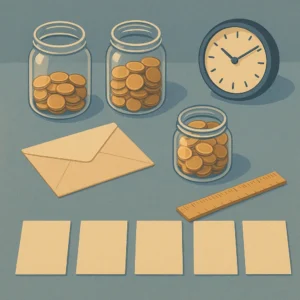

An emergency fund is less about predicting disaster than protecting ordinary plans when life becomes expensive without warning. A car repair, medical bill, reduced work schedule, or broken appliance can force difficult choices when every paycheck already has an assignment. Cash set aside for these moments gives you time to respond without immediately reaching for a credit card or high-cost loan. The right target depends on your household, income stability, and essential expenses, so copying someone else’s number can be misleading. This guide focuses on building a useful reserve in stages, placing it somewhere accessible, and using it deliberately when a genuine financial shock arrives. It also explains how to recover after a withdrawal without abandoning the habit.
Define What Your Emergency Fund Covers
Start by defining emergencies in practical terms. An emergency fund can cover necessary costs that are urgent, unexpected, and difficult to absorb from your normal monthly cash flow. Examples include a deductible, essential home repair, job-related transportation problem, or temporary income interruption. It should not quietly become a vacation account, routine shopping balance, or convenient way to cover recurring overspending. Write a short list of situations that qualify and another list of expenses that belong in your budget. This boundary makes withdrawals less emotional and helps you judge whether the account is protecting your stability or masking a spending problem.
Set a Starter Target From Cash Flow
Choose a starter target that reflects your real cash flow rather than an intimidating headline number. Add essential monthly costs such as housing, utilities, groceries, transportation, insurance, and minimum debt payments. Then consider how stable your income is and which expenses would continue during a disruption. Someone with variable work may need a larger runway than someone with predictable pay and strong workplace benefits. If a full month of essentials feels impossible, begin with a smaller milestone, such as $500 or one insurance deductible. A reachable first target creates momentum while you gradually build toward several months of core expenses.
Choose Where to Keep the Money
Keep emergency savings separate from everyday spending, but not so inaccessible that you hesitate to use it when needed. An FDIC-insured savings account is often a practical home because it can offer liquidity, clear records, and protection within applicable limits. Compare the account’s interest rate, minimum balance rules, transfer speed, and monthly fees before opening it. Avoid placing short-term emergency money in volatile investments, where a market decline could reduce your available cash at exactly the wrong time. Automate transfers into the account, and label it clearly so its purpose remains visible when other financial goals compete for attention.
Build Contributions Around Your Pay Cycle
Make contributions fit the way your income arrives. A weekly transfer may work for hourly pay, while a twice-monthly amount can suit a salaried schedule. Start with a number that survives your normal bills, then increase it after a raise, paid-off debt, or recurring expense ends. Windfalls can accelerate progress, but they should not be the only plan. Treat the transfer like a planned bill and review it whenever your budget changes. If your income varies, use a base contribution plus a modest percentage of unusually strong months, keeping enough cash available for current essentials.
Use and Replenish It Without Guilt
Using the fund is not a failure; refusing to use it for a qualifying emergency can push a manageable problem into expensive debt. Before transferring money, estimate the immediate cost, confirm the expense is necessary, and take only what the situation requires. Record the date, amount, and reason so you can see the account’s history. Once the crisis passes, pause optional goals temporarily and redirect part of your regular cash flow toward rebuilding. If withdrawals happen repeatedly, examine the pattern: the answer may be a larger reserve, a revised budget category, better insurance, or support for unstable income.
Where to continue your research safely
To keep researching, review Consumer Financial Protection Bureau: Emergency Savings Guide and compare which option makes the most sense for your situation.
Key criteria to compare before you decide
A good decision depends on more than a first impression. Compare total cost, timing, reputation, effort required, and the clarity of the offer conditions. When those criteria are visible together, it becomes easier to tell whether an option solves the problem or only looks attractive at first.
How to use this guide for your next step
Review the criteria before moving forward
How can an emergency fund protect my finances from unexpected costs calls for context, comparison, and patience. Use the points above as a practical checklist: revisit your goal, look for concrete signals, and move forward only when the choice fits your current needs.